
Ledger.com/Start® | Getting Started™ | Ledger®
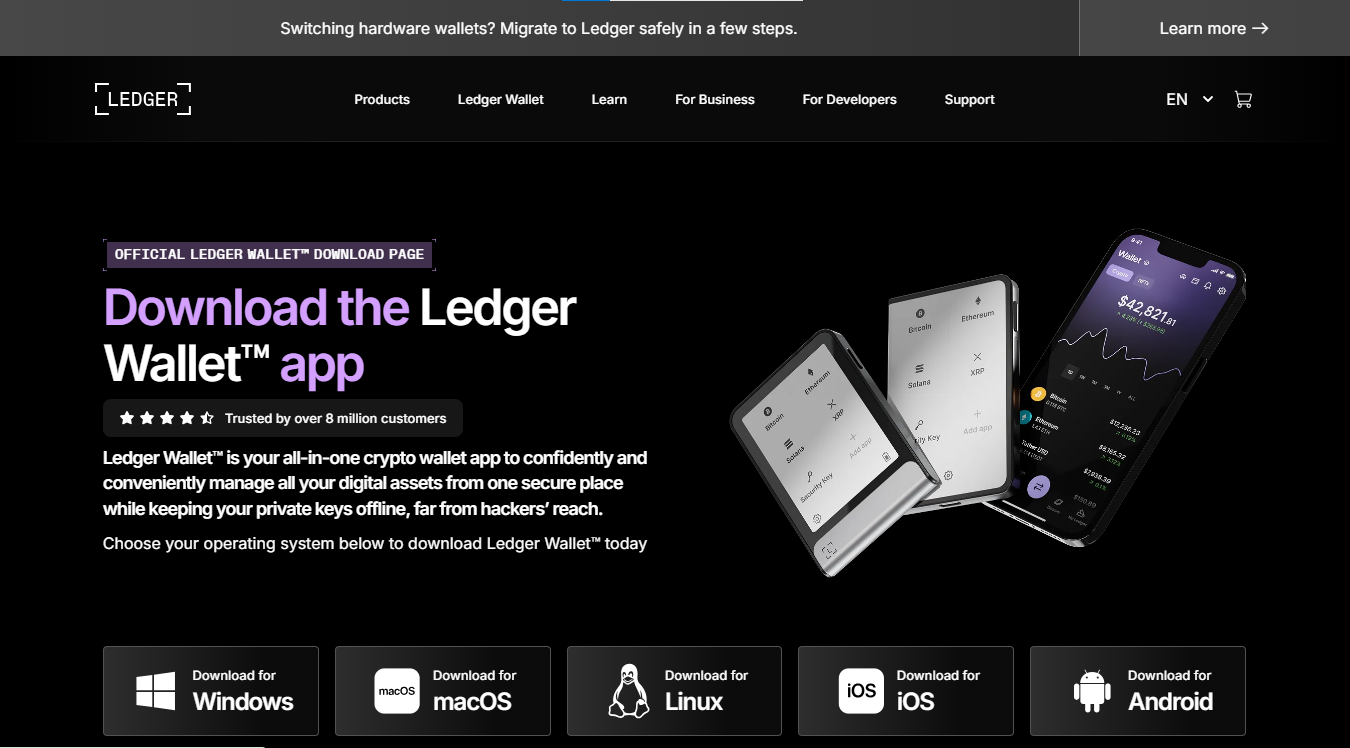
Ledger.com/start: A Simple Guide to Getting Started With Your Ledger Device
Setting up a hardware wallet is an important step for anyone who wants to manage digital assets with greater control. Ledger.com/start is commonly used as the starting point for setting up a Ledger hardware wallet, installing the required software, and following the official setup process. For beginners, using the correct starting point can make the experience easier while reducing the risk of following misleading instructions from unofficial sources.
What Is Ledger.com/start?
Ledger.com/start is a setup-oriented web address associated with Ledger's hardware wallet onboarding process. Depending on the device and current Ledger software, users may be directed through steps for connecting their device, installing the appropriate application, and completing initial configuration.
When beginning the setup, always verify that you are visiting the genuine Ledger website rather than a similarly named website. This is especially important because cryptocurrency transactions cannot generally be reversed once completed.
Why the Initial Setup Matters
A hardware wallet is designed to keep private keys protected while allowing users to interact with supported blockchain networks and applications. The initial setup establishes the security foundation for the device.
During setup, your Ledger device may guide you through creating or restoring a wallet and displaying important recovery information. Never share your recovery phrase with another person, website, application, or customer-support representative. Anyone who obtains it may potentially gain control over assets associated with that wallet.
The recovery phrase should be written down carefully and stored in a secure offline location. Avoid saving it in screenshots, cloud storage, email, or ordinary text documents.
How to Begin With Ledger.com/start
Start by visiting the official Ledger website and checking that the web address is correct. Follow the instructions appropriate for your particular Ledger device.
A typical setup process can include:
Unboxing and inspecting the hardware wallet.
Connecting the device according to the manufacturer's instructions.
Installing the recommended Ledger software.
Setting up a device PIN when prompted.
Creating a new wallet or restoring an existing wallet.
Recording the recovery phrase securely.
Completing any device or software verification steps.
Installing applications required for supported cryptocurrencies.
The exact screens and sequence can change as Ledger updates its software, so follow the instructions displayed for your specific device rather than relying solely on an old tutorial.
Protect Your Recovery Phrase
Your recovery phrase is one of the most important pieces of information associated with a self-custody wallet. Treat it like a master backup rather than an ordinary password.
Ledger support should not need you to reveal the phrase. Be suspicious of anyone who asks you to enter your recovery words into a website, form, messaging service, or computer application.
Likewise, avoid clicking cryptocurrency-related links received through unsolicited emails or messages. When in doubt, manually enter the official website address into your browser.
Keep Your Ledger Software Updated
After completing the initial setup, regularly check for legitimate software and firmware updates through official Ledger channels. Updates can introduce improvements, compatibility changes, and security-related fixes.
Before approving an unfamiliar transaction, carefully check the details shown on your hardware device. The device screen provides an important verification point because malware on a computer cannot simply be trusted to display the correct transaction information.
Final Thoughts
Ledger.com/start can serve as a useful entry point for users beginning their Ledger hardware wallet journey. The most important principles are straightforward: use official sources, verify website addresses, protect your recovery phrase, keep your software current, and carefully review transactions before approving them.
Updated about 3 hours ago